Exploring the Advantages of Swiss Lathe Technology in Modern Manufacturing
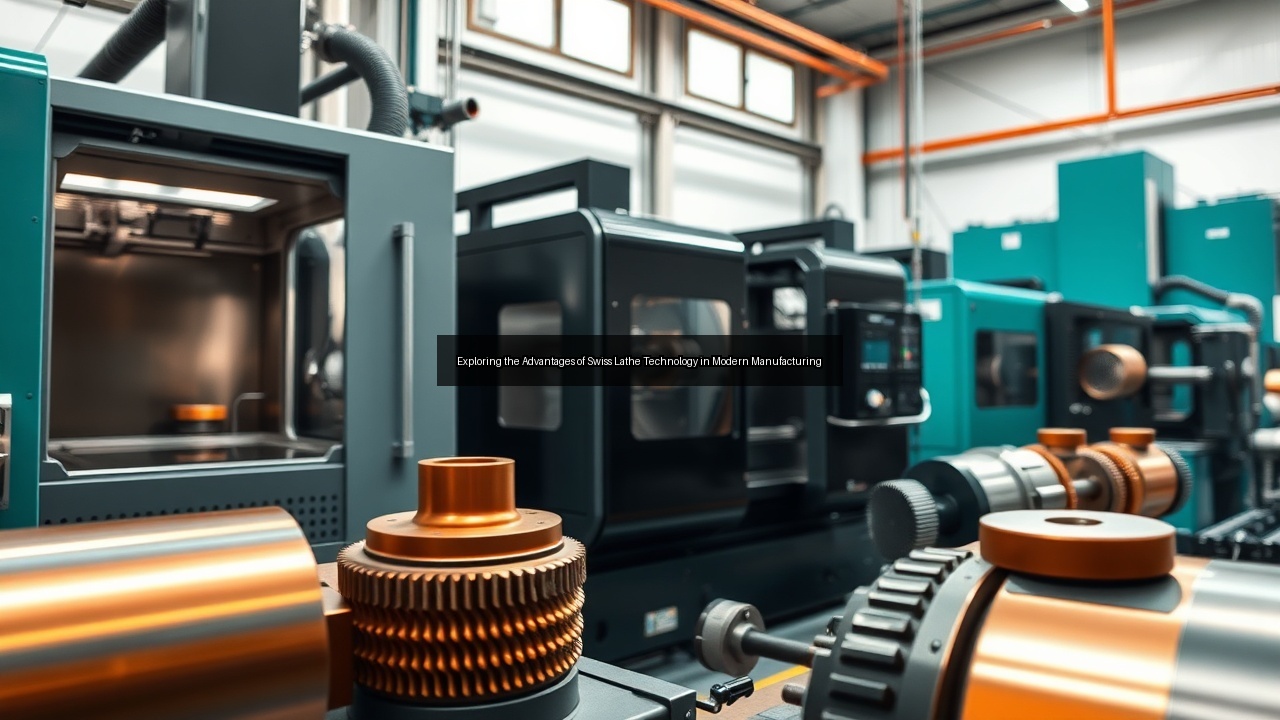
Understanding Swiss Lathe Technology
What is Swiss Lathe Technology?
Swiss lathe technology, also known as Swiss machining, stands out in the realm of modern manufacturing due to its unique design and operational capabilities. Originating in Switzerland, this method utilizes a specialized lathe that allows for the precise machining of small, complex parts. Swiss lathes operate by employing a sliding headstock that enables workpieces to cnc turning services move along the z-axis while cutting tools remain stationary. This design facilitates high precision and accuracy, particularly for parts with intricate geometries and tight tolerances. Manufacturers favor this technology for creating components across various industries, from medical devices to automotive parts, emphasizing its adaptability and efficiency.
Key Components of Swiss Lathes
Swiss lathes consist of several critical components that enhance their functionality. The sliding headstock is paramount, allowing for continuous movement during machining, which reduces the risk of tool wear and enhances precision. Additionally, the collet system holds the workpieces securely in place, ensuring stability during the machining process. The tools used in Swiss lathes, such as turning and threading tools, are designed for high-speed operations, optimizing production efficiency. Furthermore, the incorporation of CNC (Computer Numerical Control) technology in modern Swiss lathes allows for automated programming, enabling manufacturers to execute complex designs with remarkable consistency and quality assurance.
Comparison with Traditional Lathes
Swiss lathes differ significantly from traditional lathes in various aspects. Traditional lathes typically employ a fixed workpiece and rotating tools, which can limit their ability to produce intricate designs. In contrast, Swiss lathes' sliding headstock allows for multi-axis machining, accommodating more complex geometries. This capability leads to improved precision and reduced setup times. Furthermore, Swiss lathes excel in producing small parts at high volume, making them ideal for industries that require mass production of precise components. While traditional lathes still hold value in certain applications, Swiss lathe technology has become the preferred choice for precision machining, particularly when tight tolerances and high-quality standards are paramount.
Advantages of Swiss Turning Services in Modern Manufacturing
Precision and Accuracy in Machining
One of the most notable advantages of Swiss turning services is their exceptional precision and accuracy. Swiss lathes are engineered to handle tight tolerances, often within mere microns, making them indispensable for sectors where minute specifications are critical. This level of precision reduces the likelihood of errors and minimizes waste during production. The automated CNC capabilities further enhance accuracy by ensuring that every part produced adheres strictly to design specifications. Manufacturers benefit from this high precision as it translates to better quality products, increased customer satisfaction, and reduced rework costs. The ability to produce consistent, high-quality components positions Swiss turning services as a leader in precision machining.
Enhanced Production Speed
Swiss turning services significantly enhance production speed, a crucial factor in today’s fast-paced manufacturing environment. The design of Swiss lathes allows for continuous production, as the sliding headstock permits rapid movement and efficient cutting. This continuous operation minimizes downtime, enabling manufacturers to meet tight deadlines without compromising quality. The integration of CNC technology also streamlines the programming process, allowing for quick changes in production runs. This adaptability is particularly beneficial for companies managing varying production volumes. Overall, the speed at which Swiss lathes operate not only increases output but also contributes to greater profitability for manufacturers by optimizing resource utilization.
Versatility in Materials: From Plastics to Metals
Swiss turning services demonstrate remarkable versatility, capable of machining a wide range of materials, including metals like steel and copper, as well as various plastics such as PTFE and acetal. This adaptability allows manufacturers to explore innovative designs and applications, catering to diverse market needs. The ability to handle both hard and soft materials broadens the scope of projects that can be undertaken. For instance, industries ranging from aerospace to medical devices benefit from the capability to produce intricate parts from different materials without compromising on quality. This versatility positions Swiss machining as a preferred choice for modern manufacturing, meeting the demands of various sectors efficiently.
Quality Assurance in Swiss Machining
ISO Standards and Quality Control
Quality assurance stands at the forefront of Swiss machining services, driven by rigorous ISO standards and quality control measures. Manufacturers that utilize Swiss lathes often adhere to ISO certifications, ensuring that their processes meet international benchmarks for quality and safety. These standards require comprehensive inspections at various stages of production, from material selection through to final product evaluation. Such diligence ensures that every component produced meets the required specifications and tolerances. By maintaining high-quality standards, companies not only enhance their reputation but also foster trust with clients, which is essential in sectors where reliability is non-negotiable.
Surface Finishing Techniques
Surface finishing plays a critical role in Swiss machining, influencing both the aesthetic and functional qualities of the final product. Various techniques, including polishing, anodizing, and coating, enhance surface integrity and durability. These processes ensure that components not only meet visual standards but also resist wear and corrosion, thereby extending their lifespan. Additionally, effective surface finishing can improve the performance of parts in applications where friction and wear are concerns. Manufacturers leverage these techniques to deliver high-quality products that comply with stringent quality assurance protocols, ensuring that every piece meets or exceeds client expectations.
The Role of Tolerances in Manufacturing
Tolerances are a fundamental aspect of Swiss machining, directly impacting the quality and functionality of manufactured parts. Swiss lathes excel in producing components with extremely tight tolerances, often below 0.01 mm, which is essential for applications in industries such as aerospace and medical devices. Understanding and implementing precise tolerances ensures that parts fit together seamlessly, which is crucial in assemblies where precision is key to performance. Manufacturers investing in Swiss turning services benefit from this capability, as it not only improves product reliability but also reduces the need for expensive rework, thus enhancing overall operational efficiency.
Applications and Future of Swiss Turning Services
Industries Utilizing Swiss Machining
Swiss machining services cater to a vast array of industries, showcasing their versatility and importance in modern manufacturing. Sectors such as aerospace, automotive, medical devices, and electronics heavily rely on the precision and efficiency of Swiss lathe technology. For instance, in the aerospace industry, components like turbine blades and fasteners require impeccable accuracy and durability. Similarly, the medical field demands high-quality parts for devices such as surgical instruments and implants. The ability to produce small, complex components quickly and accurately makes Swiss turning services indispensable across these industries, driving innovation and quality in product development.
Innovations in CNC Technology
Innovations in CNC technology continue to propel Swiss turning services into the future of manufacturing. Advanced software programs enable manufacturers to create complex designs with ease, allowing for rapid prototyping and production. Enhanced automation features streamline operations, reducing labor costs and increasing output. Additionally, the integration of AI and machine learning within CNC systems provides real-time feedback and predictive maintenance, further enhancing efficiency. These technological advancements position Swiss machining as a pivotal force in the evolution of manufacturing, ensuring that companies remain competitive in a rapidly cnc machining changing market landscape.
Case Studies: Hogge Precision Parts and McCormick Industries
Real-world applications of Swiss turning services can be illustrated through case studies from companies like Hogge Precision Parts and McCormick Industries. Hogge Precision Parts specializes in producing high-precision components for the automotive and aerospace sectors. Their use of Swiss lathes has enabled them to manufacture complex parts with tight tolerances, meeting the demanding quality standards of their clients. Similarly, McCormick Industries leverages Swiss machining to produce components for the medical field, ensuring that their products meet stringent regulations while maintaining high levels of quality assurance. Both companies exemplify how Swiss turning services drive efficiency and innovation, showcasing the technology's pivotal role in modern manufacturing.
See Also
- Understanding Tolerances in Swiss Turning and CNC Machining
- CNC Routing vs Swiss Turning Which is Best for Your Project
- Unlocking Precision with Swiss Turning Services for High-Tech Manufacturing
- Navigating ISO Standards in Swiss Turning Services for Quality Control
- Hogge Precision Parts and the Art of Swiss Turning Services