Exploring the Future of Steel Pipe Fabrication Innovations
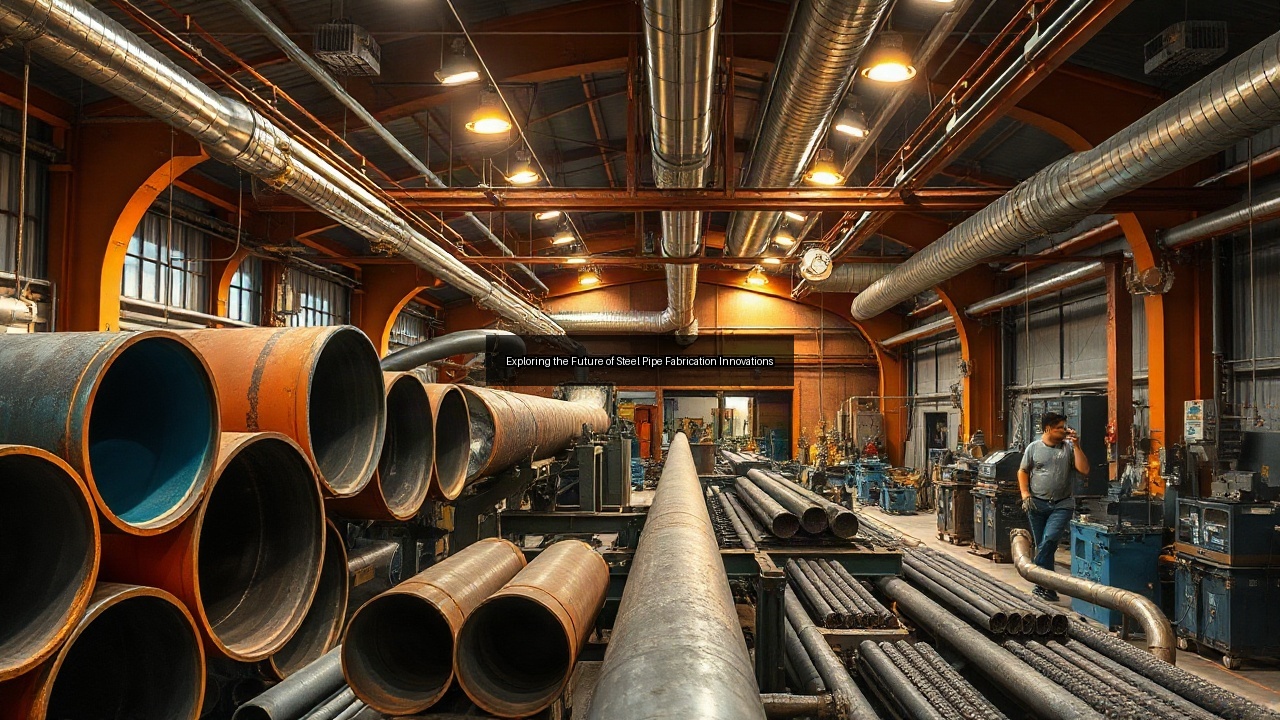
The Evolution of Steel Pipe Fabrication
Historical Overview of Steel Pipe Fabrication
Steel pipe fabrication has undergone significant transformations since its inception. The journey began in the 19th century with the birth of industrialization. Early methods involved rudimentary techniques to shape and weld metal, primarily for basic structural applications. As industries expanded, the demand for more robust and versatile piping solutions grew. Innovations such as the Bessemer process, which improved steel quality, revolutionized the production of steel pipes, making them stronger and more reliable for various applications, including oil and gas, construction, and infrastructure. By the mid-20th century, advancements in welding techniques and the introduction of new materials further enhanced the capabilities of fabrication shops around the world.
Key Innovations in Fabrication Techniques
Modern pipe fabrication has embraced a myriad of innovations that streamline processes and enhance quality. Techniques such as automated cutting and welding have significantly reduced production times while increasing precision. The introduction of CNC (Computer Numerical Control) machines allows for precise fabrication of complex designs, making it easier to create custom pipe solutions. Additionally, the advent of advanced materials, including alloyed steels, has led to the development of pipes that can withstand extreme temperatures and pressures, catering to specialized industries like pharmaceuticals and aerospace. These innovations not only improve efficiency but also ensure that fabricators can meet the stringent demands of today’s market.
The Role of Technology in Modern Fabrication
Technology plays a pivotal role in modern steel pipe fabrication. Advanced software solutions streamline design processes, allowing for quicker iterations and modifications. Fabrication companies utilize 3D modeling and simulation tools to visualize projects before commencing production, minimizing errors and material waste. Furthermore, the integration of IoT (Internet of Things) devices enables real-time monitoring of fabrication processes, ensuring optimal performance and quality control. Technologies such as laser scanning and robotic welding are becoming standard practices in fabrication shops, enhancing both the accuracy and reliability of steel pipes. This technological evolution positions pipe fabrication companies to adapt swiftly to changing market demands and maintain a competitive edge.
Emerging Trends in Pipe Fabrication
Sustainable Practices in Steel Pipe Production
Sustainability has emerged as a critical focus in steel pipe production. Fabrication companies are increasingly adopting eco-friendly practices to reduce their environmental footprint. Techniques such as recycling scrap metal and utilizing energy-efficient machinery contribute significantly to sustainability efforts. Additionally, the development of green steel—a form of steel produced with lower carbon emissions—has gained traction, offering an environmentally responsible alternative to traditional steel. Companies are also exploring the use of alternative energy sources, such as solar and wind power, to operate their fabrication shops. Embracing these sustainable practices not only benefits the environment but also appeals to clients who prioritize corporate social responsibility in their supply chains.
Automation and Robotics in Pipe Fabrication
The integration of automation and robotics has transformed pipe fabrication into a more efficient and precise field. Automated systems streamline repetitive tasks, allowing skilled workers to focus on more complex challenges. Robotic welders, for example, deliver consistent quality and speed, significantly reducing the time required for welding operations. Automation also enhances safety by minimizing human exposure to hazardous environments. As technology continues to advance, the trend toward automation is likely to grow, with companies investing in smart factories equipped with interconnected machines. This shift not only increases productivity but also fosters innovation, enabling fabrication companies to meet the evolving needs of their clients more effectively.
Digital Twin Technology for Enhanced Efficiency
Digital twin technology is revolutionizing pipe fabrication by creating virtual replicas of physical assets and processes. This innovative approach allows fabrication companies to simulate their operations, identify inefficiencies, and test modifications without disrupting actual production. By leveraging data from the digital twin, companies can optimize workflows, predict maintenance needs, and enhance overall quality control. This technology not only improves operational efficiency but also reduces costs associated with downtime and rework. As more fabrication shops adopt digital twin technology, they position themselves to respond proactively to market changes and customer demands, ensuring long-term competitiveness in the industry.
Challenges Facing Pipe Fabrication Companies
Rising Material Costs and Pricing Strategies
Rising material costs present a significant challenge for pipe fabrication companies. Fluctuations in the price of steel, driven by global supply chain disruptions and increasing demand, can severely impact profit margins. Fabricators must develop effective pricing strategies to navigate this volatile landscape. This includes establishing long-term contracts with suppliers to secure more stable pricing and exploring alternative materials that can offer cost savings without compromising quality. Additionally, companies are increasingly focusing on operational efficiencies to mitigate the effects of rising costs. By optimizing processes and reducing waste, fabrication shops can better absorb material cost increases and maintain competitive pricing for their clients.
Quality Control in Fabrication Processes
Quality control remains a paramount concern in steel pipe fabrication. The diverse applications of steel pipes demand strict adherence to industry standards and specifications. Fabrication companies face the challenge of implementing rigorous quality assurance protocols to ensure that each product meets these standards. This often involves meticulous inspections at various stages of the fabrication process, from raw material sourcing to final product testing. Advanced technologies, such as non-destructive testing and real-time monitoring systems, play a crucial role in enhancing quality control measures. Companies that prioritize quality can build a strong reputation, foster client trust, and reduce the risk of costly rework and project delays.
Meeting Industry Standards and Regulations
Fabrication companies operate within a complex framework of industry standards and regulations that govern safety, quality, and environmental impact. Navigating this landscape presents a challenge, particularly for smaller firms that may lack the resources to stay updated on changing requirements. Compliance with standards such as ASME, API, and ISO is essential for maintaining credibility and securing contracts, especially in sectors like oil and gas, where safety is paramount. To overcome this challenge, companies should invest in training and development for their workforce, ensuring that employees are knowledgeable about relevant regulations. Proactively addressing compliance not only mitigates risks but also positions companies favorably in competitive bidding situations.
The Future Landscape of Steel Pipe Fabrication
Impact of 3D Printing on Pipe Fabrication
3D printing is poised to disrupt traditional methods of pipe fabrication dramatically. This technology allows for the rapid production of complex shapes and designs that would be difficult or impossible to achieve through conventional means. Fabricators can create custom steel pipes tailored to specific project requirements, reducing waste and lead times. Additionally, 3D printing facilitates the production of prototypes for testing, enabling companies to innovate more freely. As the technology matures, the potential for large-scale production of steel pipes through 3D printing increases, opening new avenues for efficiency and customization in the fabrication process.
Global Market Trends and Opportunities
The global market for steel pipe fabrication is expanding, driven by increasing infrastructure projects and energy sector demands. Emerging economies are experiencing rapid urbanization, leading to a surge in construction projects that require durable piping solutions. Additionally, advancements in renewable energy technologies stimulate demand for specialized pipes in solar and wind energy applications. Fabrication companies can seize these opportunities by diversifying their offerings and investing in research and development. Understanding regional market dynamics and client needs will be crucial for fabricators looking to thrive in a competitive landscape. By aligning their strategies with global trends, companies can position themselves as leaders in the evolving pipe fabrication market.
Collaborations among Fabrication Shops and Manufacturers
Collaborations between fabrication shops and manufacturers are becoming increasingly important in the steel pipe industry. By forming strategic partnerships, companies can leverage each other's strengths, share resources, and enhance their offerings. Joint ventures can lead to innovations in fabrication techniques and technologies, ultimately benefiting all parties involved. For example, a fabrication shop may partner with a technology provider to integrate advanced automation solutions, enhancing production capabilities. These collaborations also allow companies to address complex projects more effectively, pooling expertise to meet client demands. As the industry evolves, fostering strong relationships will be key to navigating challenges and seizing new opportunities in the market.